The sterile hum of a server farm — that’s the sound of progress, right? Or maybe it’s just the sound of a lot of money being spent. We’ve seen it all before, the big pronouncements, the slick keynotes, the promises of a new dawn. And here we are again, this time with chiplets.
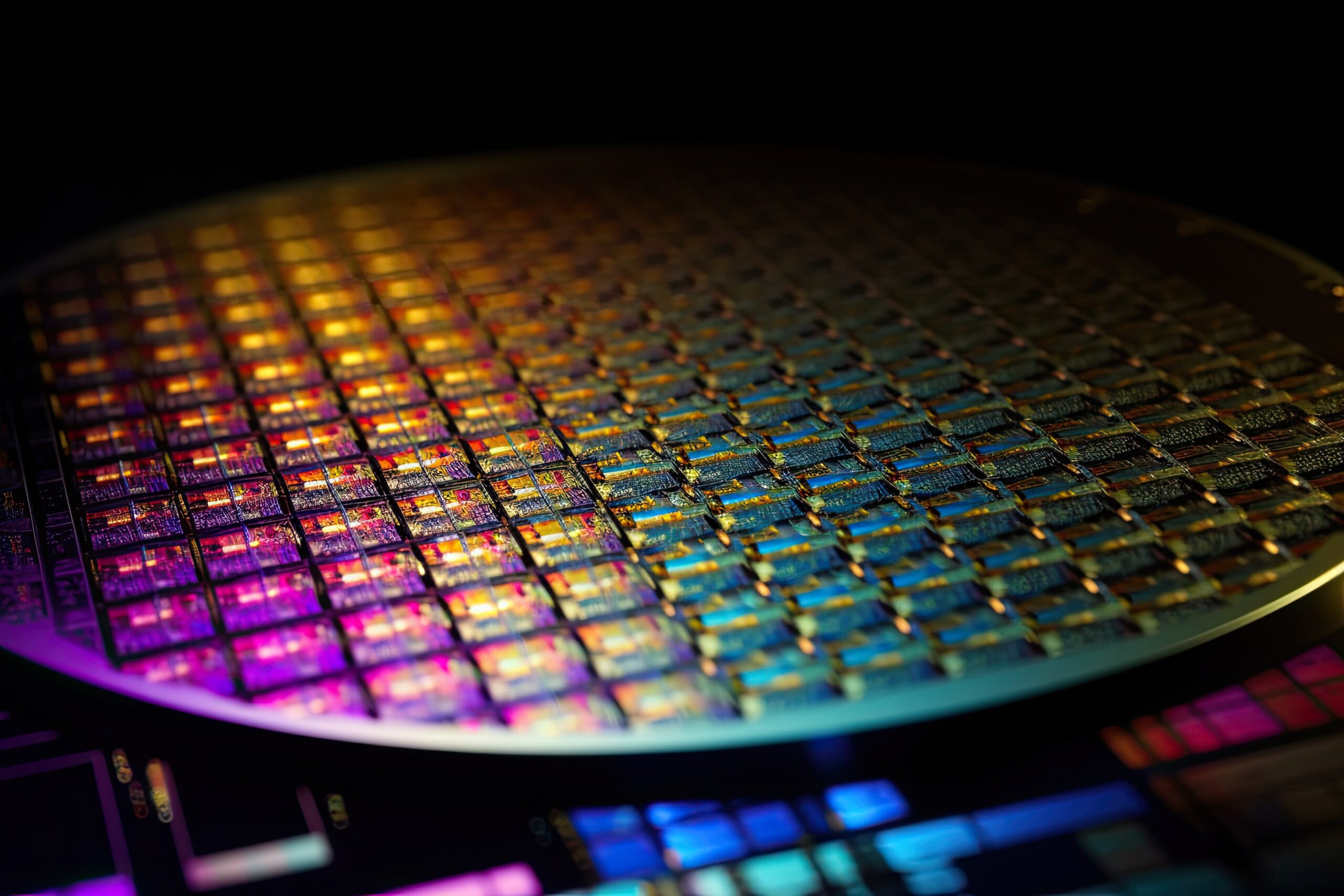
Look, the industry’s scrambling. They’re ditching the old way of just making one giant, sprawling chip that’s a nightmare to manufacture and even harder to get working perfectly. Instead, they’re piecing together smaller, specialized chips – chiplets, they call ‘em. Think of it like building with LEGOs instead of trying to sculpt a giant marble statue from a single block. The idea is that you can mix and match, reuse parts, and hopefully, make the whole process cheaper and faster. Especially for AI, where you’ve got these massive, power-hungry models, breaking them down into smaller, optimized pieces makes a perverse kind of sense.
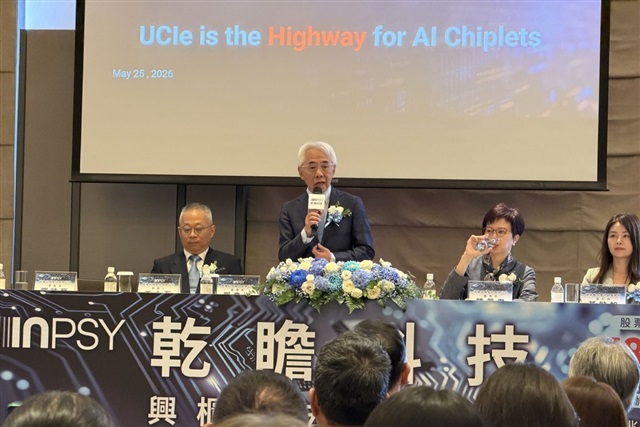
And who’s the company quietly humming in the background, making sure these little LEGO bricks actually snap together? Taiwan’s InPsytech. They’re peddling the “intellectual property,” or IP, that lets these disparate chiplets chat with each other without dropping the ball. Stuff like high-speed interconnects, memory interfaces – the plumbing, essentially, that keeps the whole data-streaming party going.
AI Connectivity: The Unsung Backbone
So, the story goes, as the whole semiconductor world embraces this modular future, InPsytech’s AI connectivity IP is suddenly… in the spotlight. Big claims are being made about enabling next-generation AI performance, boosting efficiency, and unlocking new design possibilities. It all sounds very shiny, very forward-thinking. But let’s peel back the marketing gloss for a second.
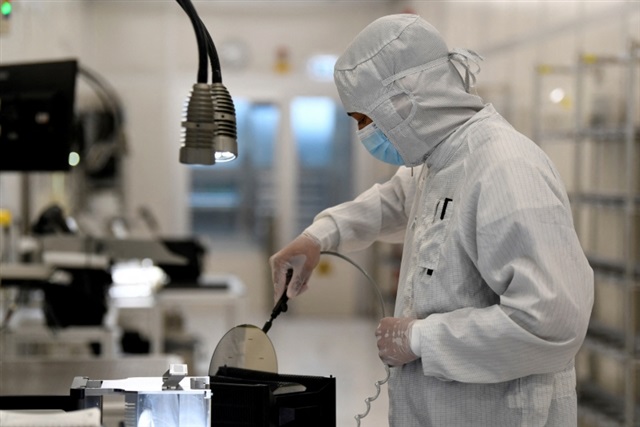
Who’s actually making the real money here? InPsytech is selling blueprints, licenses. They’re the Switzerland of chip design, providing the essential glue. The giants – the AMDs, the Intels, the Nvidias of the world – they’re the ones integrating this IP into their massive System-on-Chips (SoCs). They’re the ones bearing the manufacturing costs, the R&D expenditure on the actual silicon, and ultimately, the risk. InPsytech is crucial, no doubt, but they’re not the ones betting billions on wafer fabrication.
This whole chiplet shift feels like a replay of the SOC days, just with more pieces. Remember when everyone was raving about the wonders of System-on-Chips? Now, chiplets are just the next iteration, a way to sidestep the yield problems and design complexities of gigantic, monolithic dies. It’s smart engineering, sure. But it’s also a way to distribute risk and complexity, which, from a business perspective, is often the smartest play of all.
Who’s Really Cashing In?
And that’s where the real question lies. While InPsytech’s IP might be the secret sauce for making chiplets play nice together, particularly for the ravenous appetite of AI workloads, the profits will likely flow to the behemoths that can actually produce these multi-chip modules at scale. Think about it: designing and manufacturing these things isn’t cheap. The fabless companies and integrated device manufacturers with deep pockets and established supply chains are the ones positioned to truly capitalize. InPsytech is facilitating, yes, but are they truly driving the market in terms of revenue generation? My money’s on the companies actually stamping out the silicon.
This isn’t to diminish InPsytech’s importance. Their IP is the lubricant that keeps the gears of this new architectural paradigm turning smoothly. Without reliable, high-performance interconnects, these sophisticated chiplet designs would be… well, just a pile of expensive, unconnected silicon. But in the grand Silicon Valley tradition, the guys selling the shovels rarely get as rich as the ones digging for gold.
The article mentions:
“The specialized intellectual property that makes those chips communicate reliably has become a critical component for the industry’s transition to chiplet-based designs.”
This is exactly the point. It’s critical, it’s enabling, but is it the engine of profit? That’s the million-dollar question, and frankly, I’m not holding my breath for the answer to be solely focused on the IP providers.
The Enduring Allure of Modular Design
So, what does this mean for the future? It means more complexity in how we build our processors, but potentially greater flexibility. It means Taiwan, already a titan in semiconductor manufacturing, solidifies its role not just as a foundry, but as a hub for the critical IP that powers these advanced designs. InPsytech’s technology is undoubtedly a key enabler. But the true winners will be those who can orchestrate this complex symphony of chiplets into final products that capture significant market share and, more importantly, significant profit margins.
It’s a fascinating evolution, and one worth watching. But as always, keep your eyes on the money. That’s where the real story lies.