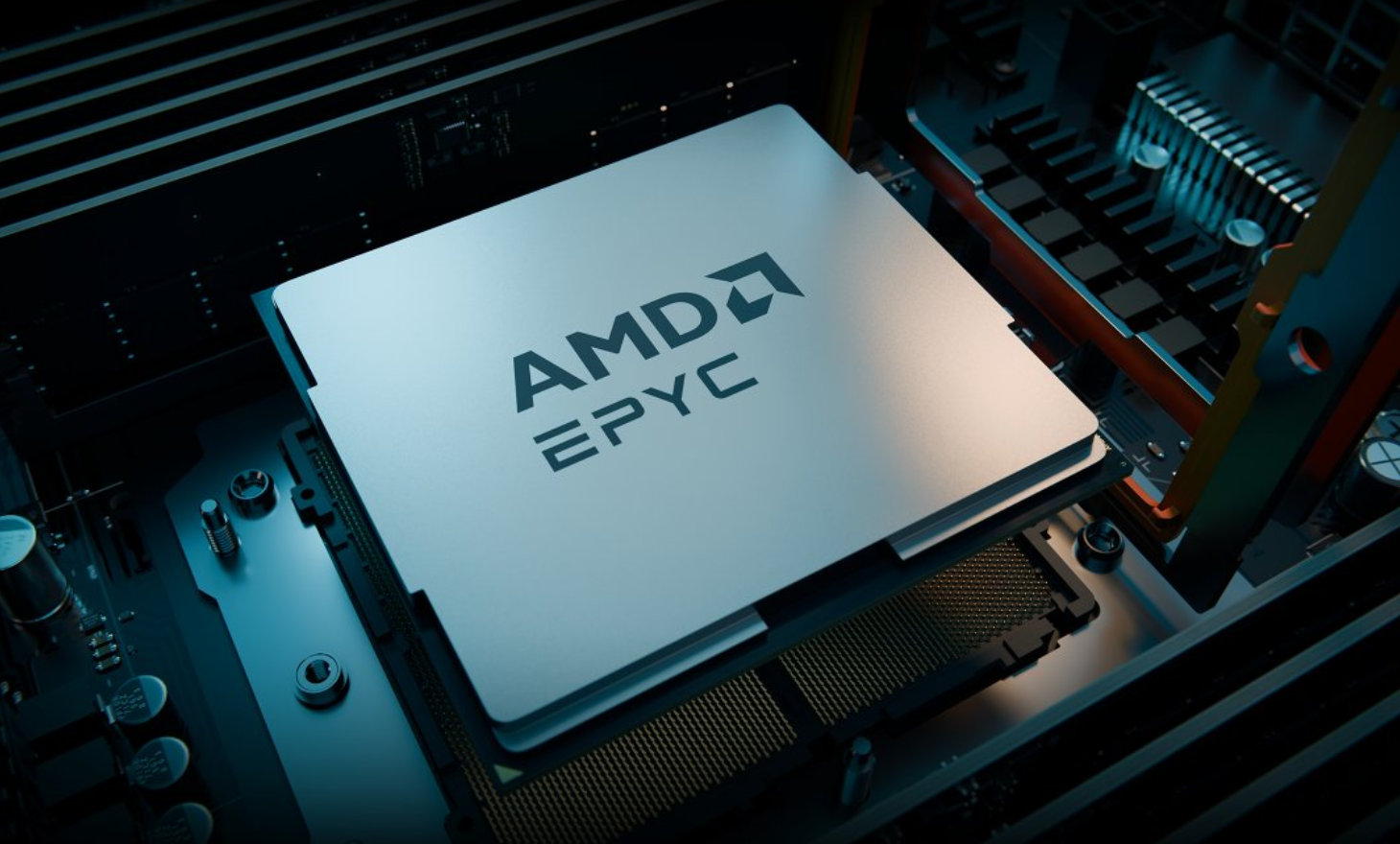
The data center CPU market, already a fierce battleground, just got a new front opened. AMD announced today that its next-generation EPYC processor, codenamed “Venice,” is now ramping production on TSMC’s bleeding-edge 2nm process technology. Let that sink in: the absolute latest in silicon manufacturing, destined for the heart of cloud, enterprise, and AI infrastructure. This makes “Venice” the first high-performance computing (HPC) product globally to enter production on this node. It’s a bold statement, and one that positions AMD squarely in the performance race, especially as AI workloads continue their insatiable expansion.
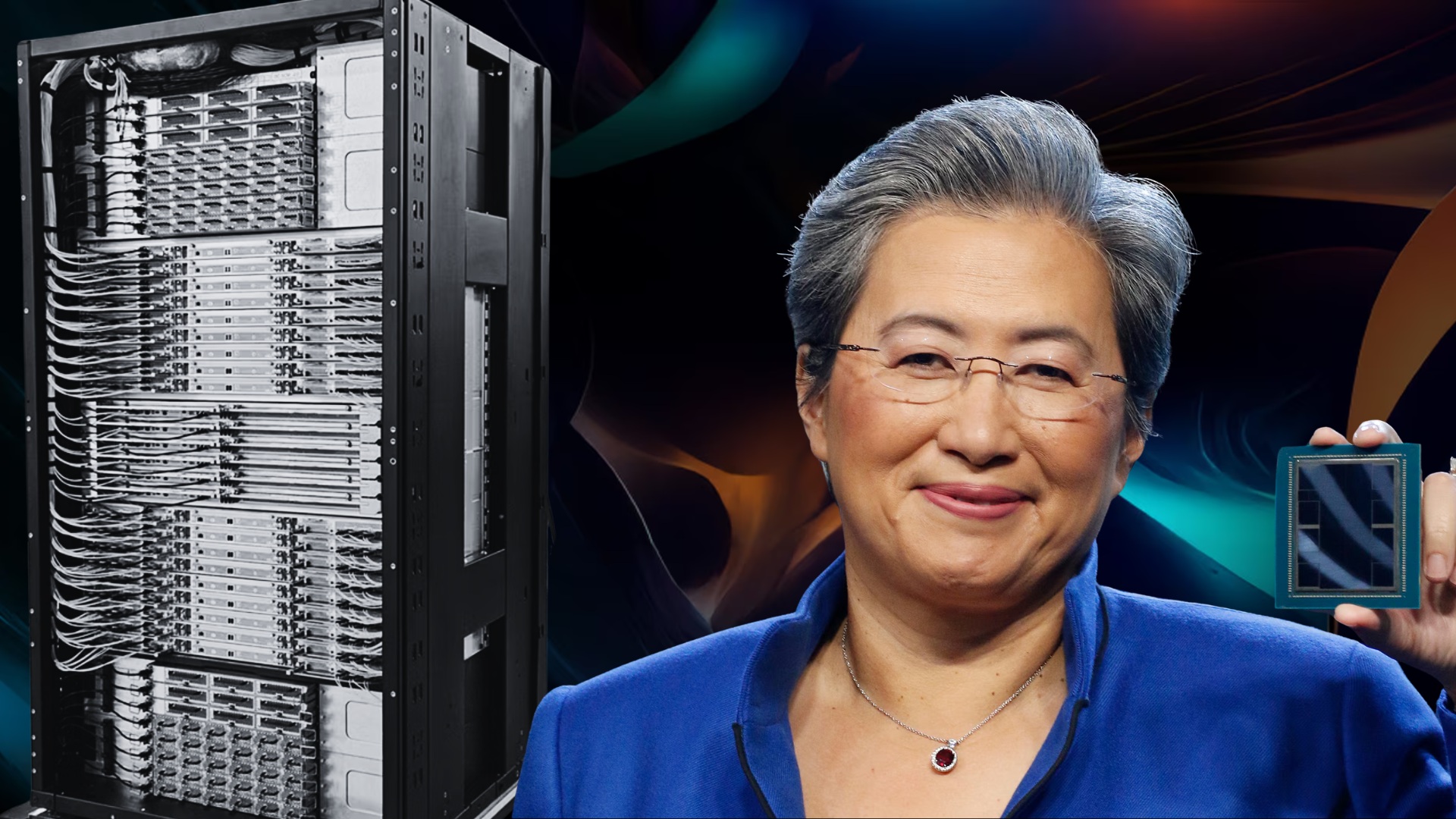
Here’s the thing: AI isn’t just about the discrete GPUs anymore. As Dr. Lisa Su, AMD’s chair and CEO, put it, “As AI and agentic workloads scale rapidly, customers need platforms that can move from innovation to production faster.” The CPU, often the unsung hero in these massive computations, plays a critical role in orchestrating data movement, networking, storage, and security across the entire data center. “Venice” is designed to meet that demand, aiming for leadership performance and energy efficiency that the market is increasingly, and rightly, demanding.
The 2nm Leap: What’s the Big Deal?
TSMC’s 2nm process technology represents a significant shrink in transistor size and a boost in density. For AMD, this means fitting more compute power into the same physical space, or delivering more power with less energy consumption. Given the escalating power budgets and cooling challenges in modern data centers, particularly those dedicated to AI, this isn’t just a nice-to-have; it’s becoming a necessity. The fact that “Venice” is leading the charge on this new node is a proof to AMD’s continued partnership with TSMC and their willingness to push the boundaries.
Ramping ‘Venice’ on TSMC 2nm process technology marks an important step forward in accelerating the next generation of AI infrastructure.
This move is particularly interesting when you consider the broader geopolitical landscape and the emphasis on supply chain diversification. AMD’s announcement also highlights future plans to ramp production at TSMC’s Arizona fabrication facility. This dual-pronged approach – leveraging TSMC’s established Asian manufacturing might while building out domestic capacity – is a smart, albeit complex, strategy for mitigating risks and ensuring supply for a market that can’t afford downtime.
Beyond ‘Venice’: The Long Game for EPYC
But AMD isn’t stopping with “Venice.” The company is already talking about its 6th Gen EPYC processor, codenamed “Verano,” which will also utilize TSMC’s 2nm process. This chip is being positioned for leadership in performance-per-dollar-per-watt, with a focus on advanced memory innovations like LPDDR. This suggests a move toward more power-efficient designs that are critical for cloud providers and enterprises looking to manage their operational expenses. The integration of technologies like TSMC’s SoIC-X and CoWoS-L packaging further underscores AMD’s holistic approach to building scalable compute platforms.
It’s easy to get caught up in the press release hype, but the data points here are compelling. AMD’s EPYC has steadily gained market share in the server space over the past few years, challenging Intel’s long-held dominance. This new node on TSMC’s 2nm process, if executed flawlessly, could cement AMD’s position as a leader, especially in the high-growth AI segment. The question isn’t whether AMD can produce these chips, but how quickly they can scale and how widely they’ll be adopted.
Why Does This Matter for AI Infrastructure?
AI, especially generative AI and increasingly complex agentic workloads, is fundamentally different from traditional computing. It requires immense processing power, high memory bandwidth, and incredibly fast interconnects. While GPUs handle the heavy lifting of parallel processing for training and inference, the CPU is the conductor of the orchestra, managing the flow of data and coordinating disparate tasks. A more powerful and efficient CPU like “Venice” can therefore unlock new capabilities and drive down the cost of AI deployment. It allows for denser configurations, faster iteration on models, and the potential for more complex, AI-driven applications to become commercially viable.
This also signals a potential acceleration of the AI hardware development cycle. By adopting the latest manufacturing nodes earlier, AMD is pushing the entire ecosystem forward. It forces competitors to respond, likely leading to further innovation in process technology and chip design across the board. The arms race for AI supremacy is on, and the foundry is just as important as the architecture.
Look, the foundry race has always been a critical, if often underappreciated, component of technological advancement. From the early days of Intel’s process leadership to the rise of TSMC as the undisputed titan, the ability to manufacture increasingly complex chips has dictated the pace of innovation. AMD’s move to 2nm with “Venice” isn’t just about a new processor; it’s about securing a critical manufacturing advantage at a time when the demand for AI compute is exploding. It’s a move that could very well define the next chapter in data center performance and AI accessibility. The market will be watching closely to see how this ramp unfolds and what kind of performance uplift AMD can truly deliver.
🧬 Related Insights
- Read more: Google Tensor G6: Cost-Cutting Chip or AI Powerhouse? [2026]
- Read more: Tensormesh Taps $20M for AI Inference Cache
Frequently Asked Questions
What is AMD’s ‘Venice’ processor?
‘Venice’ is the codename for AMD’s next-generation EPYC server processor, designed for data center, cloud, enterprise, and AI infrastructure. It’s notable for being the first HPC product to enter production on TSMC’s advanced 2nm process technology.
Will this 2nm process replace my current CPU?
No, this announcement pertains to high-performance server CPUs for data centers. Consumer CPUs and personal computer processors typically follow a different roadmap and have different manufacturing requirements. However, advancements in data center technology often trickle down to consumer products over time.
Is AMD’s partnership with TSMC significant?
Yes, the partnership is highly significant. TSMC is the world’s leading contract chip manufacturer, and AMD relies on them for producing its most advanced processors. Access to TSMC’s cutting-edge 2nm process technology is crucial for AMD to deliver leading-edge performance and efficiency in its EPYC processors for AI and HPC workloads.