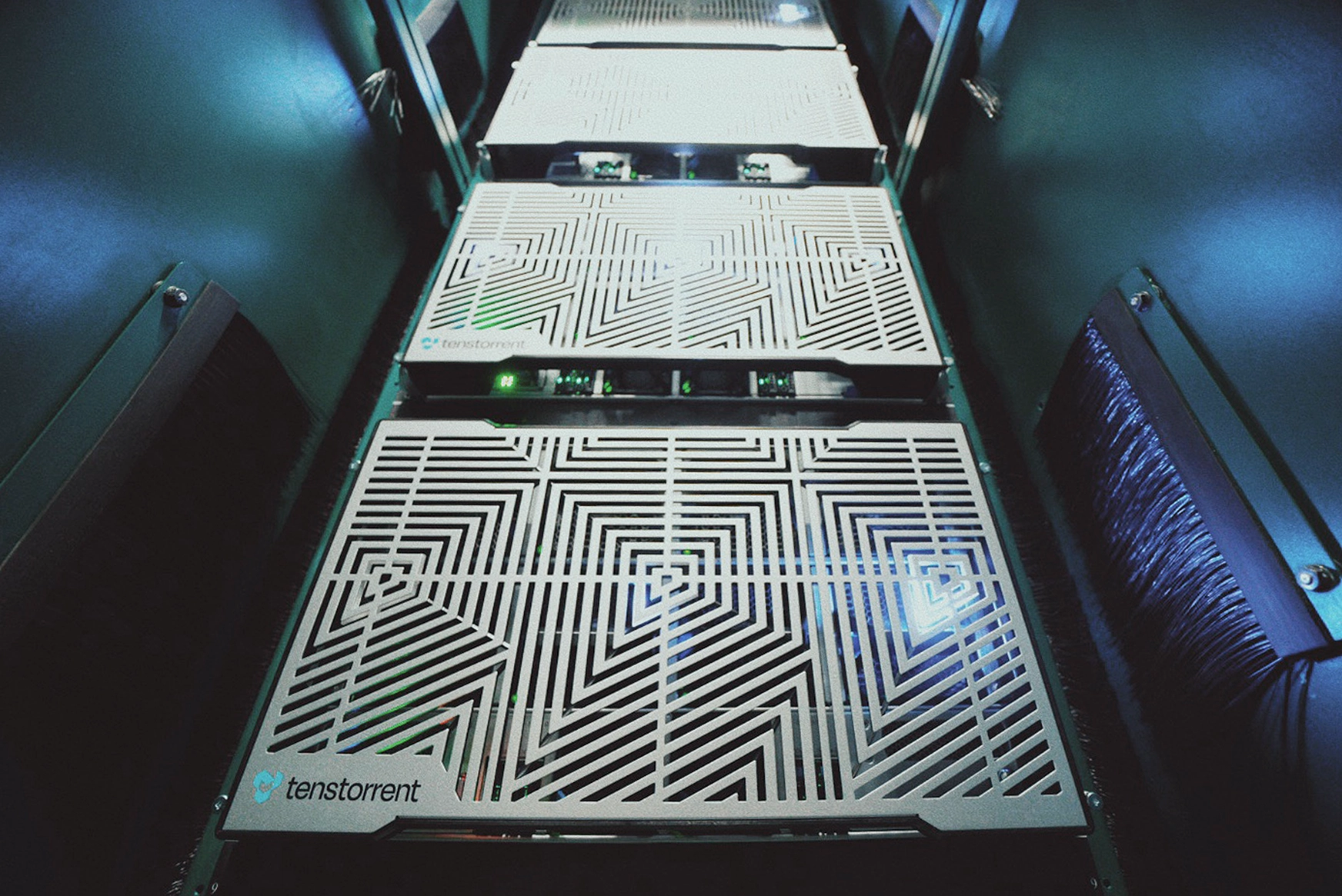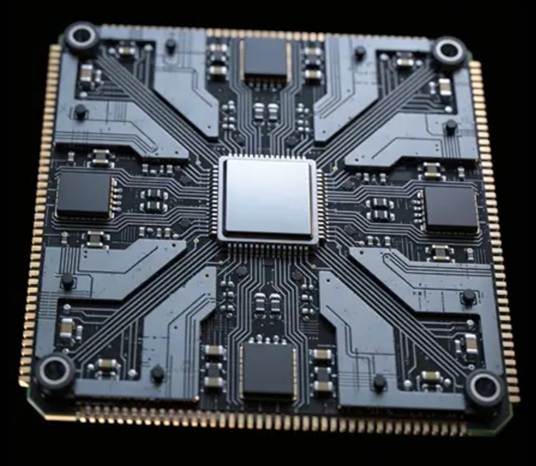
So, what exactly is the big deal with SiPearl and Semidynamics cooking up? Another platform promising to revolutionize AI inference, naturally. This time, they’re talking about a rack-scale system, built with SiPearl’s Arm-based CPUs for general compute and orchestration, and Semidynamics’ RISC-V accelerators for the heavy lifting on AI inference. They’re touting Open Compute Project (OCP) standards, which sounds nice on paper, implying interoperability and all that jazz the cloud giants supposedly care about. But let’s not get ahead of ourselves. This is a crowded market, and promises are cheap.
They’re aiming for high-throughput, high-reliability cloud deployments, specifically for enterprise inference server clusters and those always-on, large-scale AI services. Think LLMs, retrieval-augmented generation (RAG) pipelines, and even the ever-present buzz around customer service automation and industrial analytics. And, because everyone’s suddenly worried about national sovereignty, they’re also throwing in public sector workloads where data control is supposedly paramount. It’s a broad church they’re building, this rack-scale inference box.
Who’s Actually Making Money Here?
This is where my eyebrows start to furrow. SiPearl, a relatively new entrant, is clearly looking to carve out a niche. They’ve got the Arm CPU angle, which is a respectable foundation. Semidynamics, on the other hand, is pushing RISC-V. This is the part that always makes me perk up. RISC-V is the open-source darling, the challenger to the established duopoly of x86 and Arm. The promise is flexibility, lower costs, and freedom from licensing fees. But flexibility and freedom don’t automatically translate into market share, especially not when you’re going head-to-head with behemoths that have decades of R&D and established supply chains. So, the initial question isn’t ‘Can they build it?’ It’s ‘Will anyone buy it at scale?’ And more importantly, ‘Will it deliver a return that justifies the R&D spend?’
The companies expect to offer a rack-scale system based on Open Compute Project (OCP) standards, supporting interoperability and alignment with established cloud and data centre infrastructure practices.
This OCP mention is a double-edged sword. On one hand, it signals a desire to play nice with the big players and avoid reinventing the wheel. On the other, it means they’re playing by rules set by others. The real value, the profit, will come from the performance and efficiency of that Semidynamics AI accelerator. That’s the secret sauce. If it’s truly a leap forward, then maybe. But if it’s just more of the same, albeit with a different instruction set, then this is just another cog in the vast, expensive machine of hyperscale computing.
Will This Actually Compete with NVIDIA?
Let’s be blunt. The elephant in the room for any AI inference platform is NVIDIA. They dominate this space. Their GPUs are the de facto standard, and their software ecosystem is incredibly mature. For SiPearl and Semidynamics to make a dent, they need to offer something fundamentally better, or at least significantly cheaper, in a way that matters to the bottom line of cloud providers. Right now, the narrative is about choice and openness with RISC-V. That’s a good starting point for some specific use cases, particularly in regulated industries or for companies fiercely guarding their IP. But for the mass market, raw performance and a well-oiled software stack are king. And NVIDIA has been king for a long time.
My gut feeling? This is a strategic play by SiPearl to bolster its offering and by Semidynamics to prove the mettle of RISC-V in a demanding application. They’ll likely find early adopters. But a true challenge to the incumbents? That requires more than just a well-architected platform; it requires a seismic shift in how the market perceives and adopts new AI hardware. We’ve seen this song and dance before, with various players promising to dethrone the GPU giants, only to fade into the background. The real test will be in benchmarks, in adoption rates, and, of course, in the balance sheets.
And let’s not forget the supply chain. Building these things at scale isn’t trivial. Getting foundries to commit capacity for a relatively new architecture can be a hurdle. While OCP standards might help with some integration, the actual manufacturing of the silicon is where the rubber truly meets the road. This isn’t just about designing a chip; it’s about building an entire ecosystem around it.
🧬 Related Insights
- Read more: Europe’s Chip Strategy: Geopolitics Meets Industry
- Read more: Pluggable Optics Get a Jolt: XPO Aims for AI Density
Frequently Asked Questions
What does SiPearl’s Arm-based CPU do in this platform? SiPearl’s CPU will handle general-purpose computing tasks, manage the overall system (orchestration), and host data plane operations, complementing the AI acceleration provided by Semidynamics’ RISC-V chip.
What is RISC-V and why is it important here? RISC-V is an open-source instruction set architecture (ISA). Its importance lies in offering a more flexible and potentially cost-effective alternative to proprietary ISAs like Arm and x86, enabling custom hardware designs without licensing fees.
Will this replace NVIDIA GPUs for AI inference? It’s unlikely to fully replace NVIDIA GPUs across the board immediately. The goal is to offer a competitive alternative for specific AI inference workloads, particularly where customizability, openness, or cost are primary drivers.