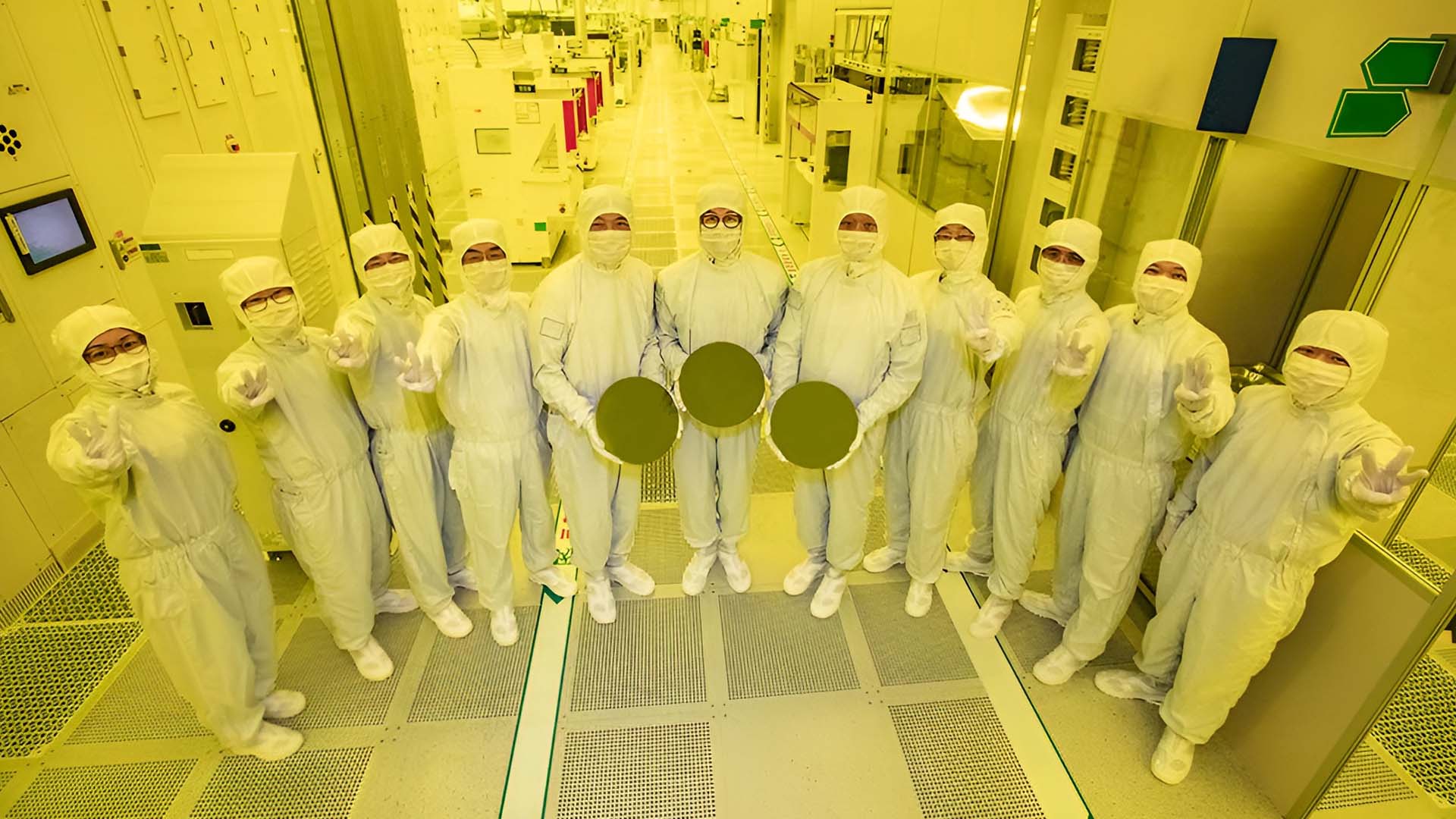
Here’s the thing about Samsung’s semiconductor division: it’s a colossus, capable of churning out everything from DRAM to the logic chips powering your phone. For years, the whispers about expansion have centered on its established hubs, perhaps a new fab in Texas or a more advanced line back home. The prevailing narrative was about scale, about more wafers, more advanced nodes. But that’s not the whole story, is it?
Samsung Electronics is reportedly sinking VND39 trillion, roughly $1.5 billion of your hard-earned dollars, into a new semiconductor testing facility in northern Vietnam. This isn’t just another brick in the wall; it’s Samsung’s first dedicated chip testing plant in the country. And that, my friends, is a tectonic shift.
Why Testing Matters
Forget the glossy brochures touting wafer fabrication for a moment. The real bottleneck, the unsung hero (or villain, depending on your perspective) of semiconductor manufacturing, is often testing. It’s where the silicon goes from raw potential to a functional component, where defects are caught, and yields are ultimately determined. It’s a high-stakes, precision-driven part of the process that requires immense capital, skilled labor, and sophisticated machinery.
For a company like Samsung, which operates across the entire semiconductor value chain – design, fabrication, packaging, and testing – strategically placing its testing operations is as critical as picking the next city for a fab. This Vietnam investment suggests a deliberate move to diversify and optimize its post-fabrication capabilities.
What Was Expected vs. What’s Happening
Most industry watchers anticipated continued investment in fabrication – the actual making of the chips. Building new foundries is a multi-billion dollar endeavor, a public spectacle of ambition. Testing, while hugely important, can be a more discreet, yet equally impactful, strategic play. The assumption was that testing would largely remain clustered with fabrication, particularly in South Korea and China, where Samsung has its massive fabrication complexes.
But this Vietnam facility signals a recognition that the global supply chain is a complex, multi-limbed beast. It’s not just about producing chips; it’s about ensuring they work, reliably and at scale, without being overly reliant on single geographies. The geopolitical pressures, the constant threat of disruptions – these aren’t abstract concepts anymore. They’re tangible risks that demand concrete mitigation strategies.
A Calculated Gamble or Geopolitical Necessity?
So, what’s driving this? Is it purely about cost savings? Vietnam offers a compelling labor arbitrage, certainly. But the scale of this investment suggests something more profound. It’s about creating a more resilient supply chain, less susceptible to the seismic shocks that have rocked the industry in recent years. Think about the pandemic-induced shortages, the trade tensions. Companies that put all their eggs in one basket, or even just two, found themselves in precarious positions.
Samsung is not a company that makes hasty decisions. This move represents a calculated strategy to de-risk its operations. By centralizing a crucial part of its post-manufacturing process in Vietnam, Samsung is building redundancy and flexibility into its global footprint. It’s a move that acknowledges the reality of a fragmented and increasingly volatile world.
“The decision reflects Samsung’s commitment to strengthening its global semiconductor supply chain and ensuring timely delivery of high-quality products to customers worldwide.”
That’s the official line, of course. And while it’s perfectly sensible PR, it’s also an understatement of the strategic depth at play. This isn’t just about delivery; it’s about survival and dominance in an era where supply chain security is paramount.
The Unseen Architecture of Chip Manufacturing
It’s easy to get lost in the dazzling allure of advanced lithography and bleeding-edge process nodes. But the mundane, often overlooked steps are just as vital. Testing is where the rubber meets the road for every single chip. It involves complex automated test equipment (ATE), precise environmental controls, and a legion of engineers and technicians. Errors here can mean billions in lost revenue.
By investing in this capacity in Vietnam, Samsung isn’t just moving a task; it’s relocating a critical intellectual hub. It means more high-skilled jobs, more demand for specialized equipment, and a deeper integration of Vietnam into the global semiconductor ecosystem. It also means that the world’s most advanced chips, once they leave the wafer fab, will spend more time being scrutinized under the watchful eye of Samsung’s operations in Southeast Asia.
This move also presages potential future investments. Once a testing facility is established and humming, it’s often a stepping stone. Could we see packaging operations follow? Perhaps even specialized fabrication for certain types of memory or legacy chips? The groundwork is being laid.
The implications are vast. For competitors, it’s a signal that Samsung is serious about diversification and operational resilience. For governments, it’s another piece of evidence that the semiconductor supply chain is a global chess match, with every move carrying strategic weight. And for consumers? Well, it means Samsung is actively working to ensure the chips that power our devices are less likely to be victims of the next global hiccup.
It’s a subtle but powerful recalibration. Samsung isn’t just building more chips; it’s building a more strong future for them, one meticulously tested component at a time, in a country that’s rapidly ascending the value chain.