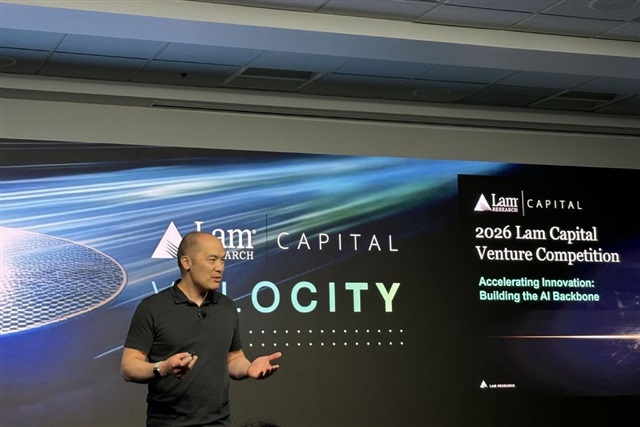
The air in the conference room crackled, not with the usual Silicon Valley hubris, but with a distinctly international hum. Lam Research’s fourth annual startup competition, held recently, wasn’t just another pitch fest; it was a stark indicator of where semiconductor innovation is really brewing.
This year, the contest cast its net wider than ever, pulling in serious contenders from the United States, South Korea, Singapore, India, and Taiwan. It’s a deliberate move, of course, by Lam Capital, the venture arm of the wafer fabrication equipment giant, to tap into a global talent pool and identify promising technologies that could shape the future of chip manufacturing. The top prize, a not-insignificant sum for any burgeoning startup, went to US-based Lightfinder, whose proposal centered on silicon.
But here’s the kicker: the sheer geographic diversity of the participants tells a story far richer than just a funding announcement. For years, the narrative has been about Silicon Valley’s unassailable dominance. While it remains a powerhouse, the global playing field is undeniably leveling up. Countries and regions that have been investing heavily in R&D and fostering domestic tech ecosystems are now presenting formidable innovations.
Is the Global Semiconductor Race Heating Up? Why This Matters
This isn’t merely about a competition; it’s about the strategic de-risking and diversification of the semiconductor supply chain and, more importantly, its innovation pipeline. Lam Research, by fostering these international relationships, isn’t just scouting for acquisitions or investments; it’s building a network. Think of it as laying the groundwork for future collaborations, ensuring access to cutting-edge IP and manufacturing processes, no matter where they germinate.
The prize money, though substantial for the winners, is almost secondary to the access and visibility these startups gain. Being recognized by a major player like Lam Research can open doors to further funding, strategic partnerships, and mentorship that money alone can’t buy. It validates their technology and their vision in front of an industry gatekeeper.
When you consider the ongoing geopolitical tensions and the global push for semiconductor self-sufficiency, this international embrace by Lam Capital makes immense strategic sense. It’s not about abandoning their home turf, but about building resilience. If one region faces disruption, the thinking goes, another innovation hub might be ready to step up. This is smart business, plain and simple.
And let’s not overlook the implications for the specific technologies being scouted. The focus on silicon, while seemingly basic, is anything but. Advancements in silicon can range from novel transistor designs that improve performance and reduce power consumption to entirely new materials integrated with silicon for specialized applications. The devil, as always, is in the details of these proposals, which we unfortunately don’t have access to.
“Our goal is to identify and support the next generation of innovators who are pushing the boundaries of semiconductor technology,” said Mokarram ‘Moky’ Chin, Executive Vice President of Strategy and Policy at Lam Research. This sentiment, while standard PR fare, underscores the stakes.
The fact that a US startup took the top prize this time shouldn’t be misread as a negation of the global effort. It’s a data point. The presence of strong contenders from Asia, and their clear technological prowess, signals that the future of chip innovation is, and will continue to be, a global endeavor.
What’s Next for Semiconductor Innovation?
Lam Capital’s strategy here is textbook venture capital arm expansion, but with a chipset twist. They’re not just looking for the next big thing; they’re looking for the essential next big thing that complements their existing business and secures their future relevance. By actively engaging with startups across different continents, they are effectively diversifying their intelligence network and their potential deal flow. This is a proactive stance against a rapidly changing industry landscape, where innovation can spring from anywhere.
Expect more initiatives like this. Governments worldwide are pouring billions into their domestic chip industries. Established players like Lam Research will inevitably follow suit, not just with capital, but with strategic engagement. The race isn’t just about manufacturing capacity; it’s about who can invent the next critical component, the next revolutionary process. And that race is definitely no longer confined to a single valley.
🧬 Related Insights
- Read more: Intel’s ZAM: A 2x Bandwidth AI Memory Challenger Emerges
- Read more: Data Centers: Waste Heat Now Earns Electricity?
Frequently Asked Questions
What is Lam Capital? Lam Capital is the venture capital arm of Lam Research, focused on investing in and supporting startups that are developing innovative technologies relevant to the semiconductor industry.
Where was the startup competition held? The competition featured teams from the US, South Korea, Singapore, India, and Taiwan, with the final event likely taking place in a central location or virtually.
What kind of startups does Lam Capital look for? Lam Capital typically seeks startups with disruptive technologies in areas like advanced materials, novel device architectures, manufacturing processes, and software solutions for the semiconductor ecosystem.