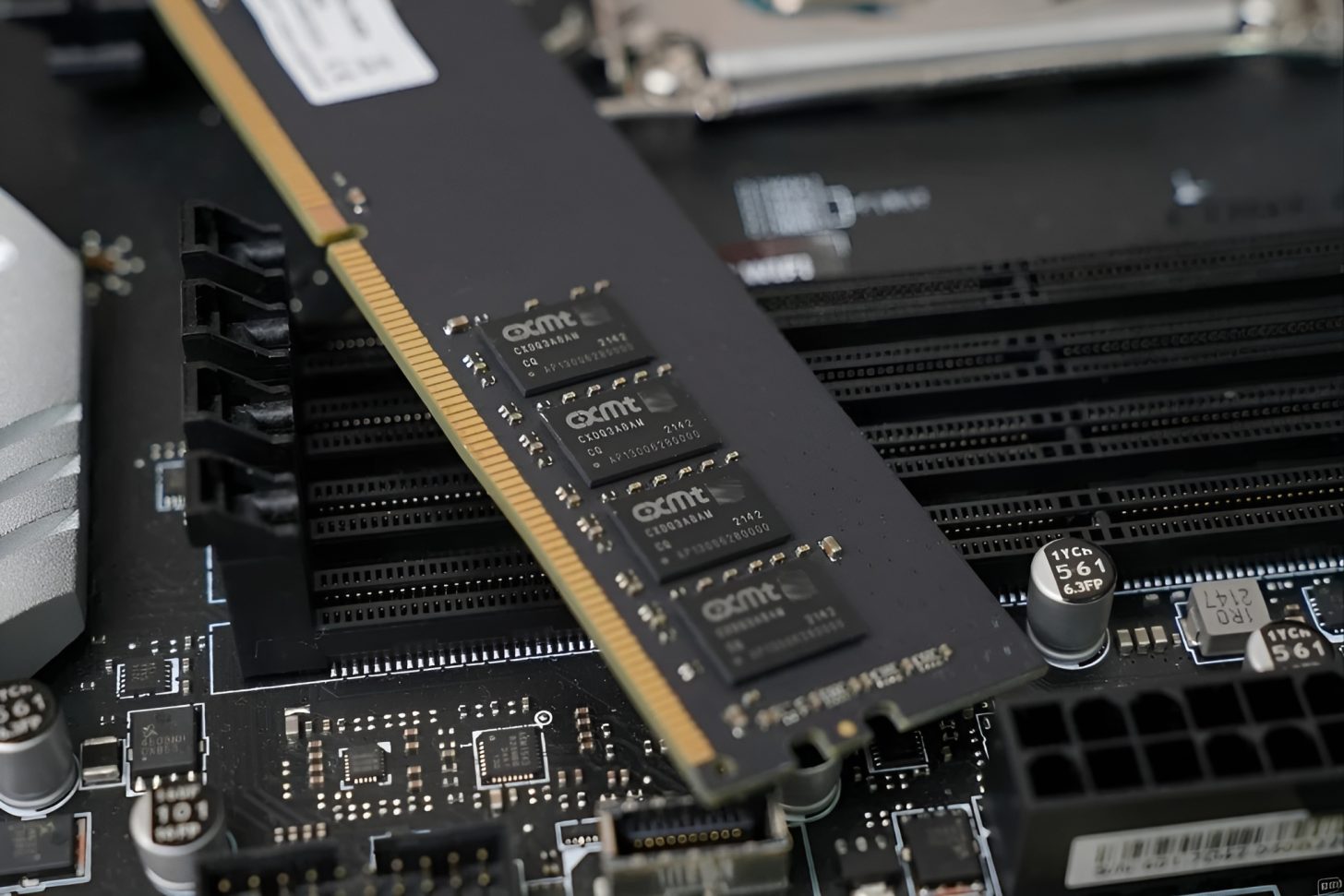
It’s here. The United States, long a consumer rather than a primary producer of cutting-edge memory chips, has taken a significant step toward reclaiming some manufacturing clout. Micron Technology has officially kicked off production of its 1-alpha (1α) DRAM process technology at its Manassas, Virginia, fabrication plant. This isn’t just another factory opening; the company is billing it as the most advanced memory technology ever manufactured on American soil. And frankly, in a world increasingly defined by chip dependencies and geopolitical tremors, that’s a statement with some serious weight.
Why Does This Advanced DRAM Matter?
At its core, DRAM (Dynamic Random-Access Memory) is the high-speed working memory for virtually every computing device. It’s where your applications, operating system, and data live while your computer or smartphone is actively running. The ‘1-alpha’ designation refers to Micron’s most sophisticated process node for DRAM manufacturing to date, promising denser, faster, and more power-efficient memory. Think of it like upgrading from a cramped, old apartment to a state-of-the-art smart home — everything just works better, faster, and with less wasted energy.
For years, the leading edge of DRAM production has been largely concentrated in Asia, particularly South Korea and Taiwan. This has created a chokepoint, a single point of vulnerability in the global supply chain that became glaringly obvious during recent shortages and trade tensions. By bringing this advanced manufacturing to the US, Micron isn’t just building a factory; it’s constructing a strategic asset. It’s a deliberate move to diversify memory supply, reduce reliance on overseas production, and shore up national technological independence.
“This milestone represents a significant step forward in our commitment to strengthening the domestic semiconductor supply chain and advancing U.S. manufacturing leadership,” said Micron President and CEO Sanjay Mehrotra in a statement. The words are corporate, sure, but the underlying sentiment? It’s a geopolitical signal.
How Did We Get Here? Architecture of a Domestic Push
The architecture of this shift isn’t just about stuffing more transistors onto a wafer. It’s about building an ecosystem, and Micron’s move is enabled by a confluence of factors. The CHIPS and Science Act, with its billions in incentives for domestic semiconductor manufacturing, provided a crucial financial impetus. Without that government backing, the sheer capital expenditure required for a cutting-edge fab like this would be a much harder sell, especially when competing with established Asian giants.
But it’s not just about money. It’s also about talent. Micron has been investing in its Manassas facility for years, bringing in engineers, training technicians, and fostering a domestic workforce capable of operating such sophisticated equipment. This isn’t a light switch; it’s a slow burn, a deliberate cultivation of expertise. The 1-alpha DRAM production is the culmination of that long-term investment, demonstrating that the US can indeed house and operate the most advanced chip-making processes.
The actual manufacturing process for 1-alpha DRAM involves incredibly complex lithography techniques, advanced material science, and precision engineering. The goal is to achieve higher bit densities per wafer – meaning more memory chips from the same amount of silicon. This is accomplished through finer critical dimensions, improved cell structures, and innovative interconnect technologies. It’s a constant battle against the laws of physics, pushing silicon to its absolute limits.
A New Era for US Memory?
This development is a clear sign that the US is serious about reshoring high-tech manufacturing. It’s not just about consumer electronics anymore; it’s about the foundational components that power everything from AI to national defense. Micron’s Virginia fab is a tangible symbol of that ambition. The question now is whether this is the beginning of a sustained trend or an isolated success story. Competitors will undoubtedly watch closely, and the pressure will be on for further investment and innovation. The domestic memory supply chain just got a serious upgrade, and for anyone tracking the global chip landscape, that’s a story worth following.
For the average user, this means a more stable, resilient supply of the memory chips that power their devices. For the broader tech industry, it means less geopolitical risk and potentially a more distributed manufacturing base. For Micron, it’s about market leadership and securing their position in a critical industry. It’s a win on multiple fronts, built on decades of innovation and a timely push for domestic capacity.
🧬 Related Insights
- Read more: Southchip’s ‘No Fear to Fail’ Mantra: Real Edge or Just Hype?
- Read more: Taiwan’s Component Makers: New Space Race or Old Squeeze?
Frequently Asked Questions
What does Micron’s 1-alpha DRAM process mean for consumers?
It means a more stable and potentially more secure supply of the memory chips used in your computers, smartphones, and other devices. While you won’t see a direct label on your phone, this domestic production reduces reliance on overseas factories, making the supply chain less vulnerable to disruptions.
Will this bring more chip manufacturing jobs to the US?
Yes, advanced manufacturing facilities like Micron’s Manassas fab require a highly skilled workforce, including engineers, technicians, and operators. The expansion of domestic production typically correlates with job growth in these specialized fields.
Is this the most advanced chip manufacturing happening in the US?
Micron’s 1-alpha DRAM is currently the most advanced memory technology being produced in the US. However, the landscape of semiconductor manufacturing is constantly evolving, with ongoing investments in other advanced chip technologies across the country.